
- February 6, 2026
- admin
- 0
Every Iowa winter, it starts the same way.
You touch a light switch and zap.
Your hands crack no matter how much lotion you use.
Someone in the house wakes up with a bloody nose.
Your throat feels like sandpaper by morning.
And at some point, you ask the question:
“Is our house just dry… or is something wrong?”
Short answer: it’s not just you.
Long answer: Iowa winters are brutal on indoor air — and that’s why whole-home humidifiers come up every single year.
So let’s break it down.
Is a whole-home humidifier actually worth it for Iowa winters?
Or is it just another upgrade that sounds nice but doesn’t deliver?
Why Iowa Homes Get So Dry in the Winter
What “Dry Winter Air” Really Means
Cold air can’t hold much moisture. That’s just physics.
Now take that already-dry outdoor air and pull it into your house. Then heat it up with your furnace.
What happens? The moisture drops even more.
By the time that air circulates through your home, it’s bone-dry.
This is also why winter prep matters so much in Iowa. Sudden temperature drops don’t just strain your furnace — they dry out your home fast. (If you want to dig deeper, Anthem breaks this down well in their post on how to prepare your home for a sudden Iowa cold snap.
Common Signs Your Home Is Too Dry
If you’re noticing any of these, dry winter air is likely the culprit:
-
Dry skin and cracked lips
-
Static electricity everywhere
-
Nosebleeds or sinus irritation
-
Waking up with a dry throat
-
Hardwood floors shrinking or cracking
-
Furniture seams opening up
-
Houseplants dying faster in winter
This is where indoor air quality becomes more than a buzzword — it’s about daily comfort.
What Is a Whole-Home Humidifier?
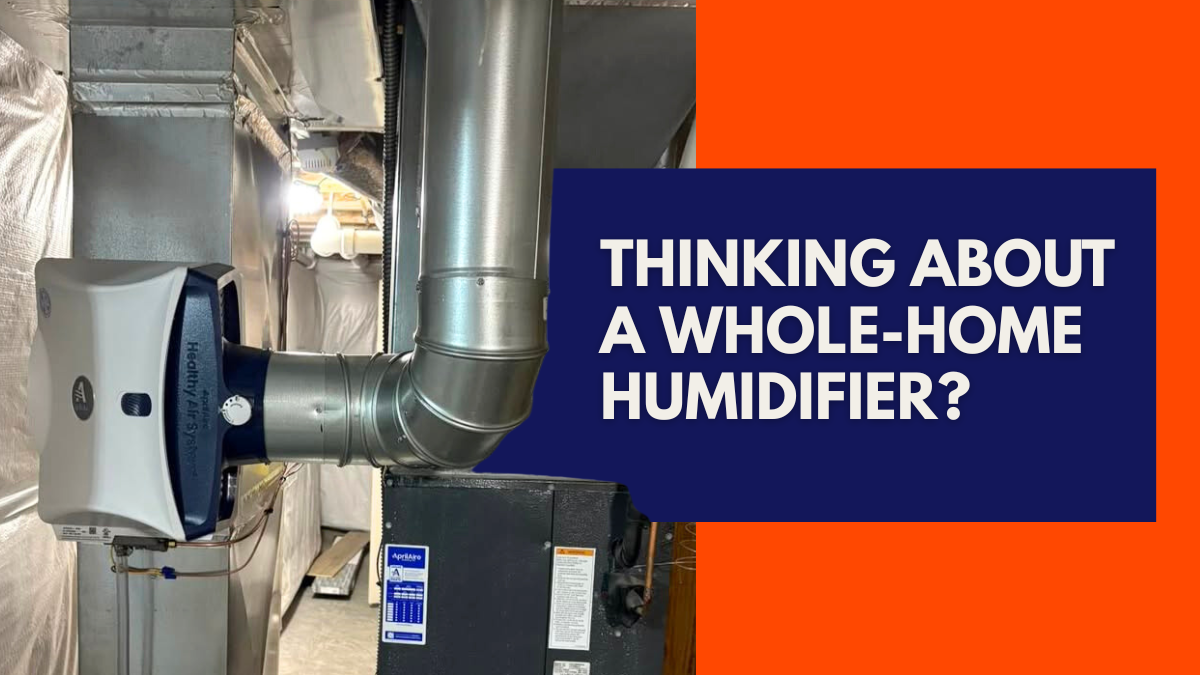
A whole-home humidifier is installed directly into your HVAC system.
As your furnace runs, the humidifier adds moisture to the air before it circulates through your home.
That’s it. No refilling tanks. No moving devices around. No guessing.
It works automatically to keep humidity at a healthy level throughout your entire house.
How It’s Different from Portable Humidifiers
Portable units can help — but only to a point.
Whole-home humidifiers:
-
Cover the entire home
-
Don’t need daily refilling
-
Don’t get moved room to room
-
Don’t leave white dust behind
-
Stay consistent all day
Portable humidifiers help a room.
Whole-home systems fix the environment.
Real Humidifier Benefits for Iowa Homeowners
1. Health & Comfort Benefits
Balanced humidity helps your body do what it’s supposed to do.
Homeowners often notice:
-
Easier breathing
-
Less coughing
-
Fewer dry throats
-
Reduced sinus irritation
-
Better sleep
Dry air irritates everything it touches. Moist air calms it down.
2. Helps During Illness Season
Dry air dries out your nasal passages — your body’s first line of defense.
Proper humidity helps keep those passages moist, which can make it easier for your body to fend off winter illnesses.
No hype. Just healthier air.
3. Protects Your Home
Dry air doesn’t just affect people.
It also affects:
-
Hardwood floors
-
Furniture
-
Trim and doors
-
Paint and drywall
Maintaining proper humidity helps materials expand and contract less — which means fewer cracks and longer-lasting finishes.
4. Makes Your Home Feel Warmer
This one surprises a lot of homeowners.
Humid air feels warmer than dry air.
Many people find they can lower the thermostat slightly and still feel comfortable, which pairs well with other energy-saving strategies like those covered in Anthem’s guide on lowering your heating bill during Iowa winters.
Are Whole-Home Humidifiers Safe?
This is the most common concern — and it’s a valid one.
The Big Worries
-
“Won’t this cause mold?”
-
“What if it adds too much moisture?”
The Reality
Modern whole-home humidifiers are controlled systems.
When installed and set correctly, they:
-
Maintain safe humidity levels
-
Avoid excess moisture
-
Reduce mold risk
This is why professional installation matters — especially in a climate like Iowa’s, where conditions swing hard from season to season.
Whole-Home Humidifier vs. Portable Units
Here’s the honest takeaway:
Portable humidifiers:
-
Help one room
-
Need daily attention
-
Add up in cost over time
Whole-home humidifiers:
-
Work automatically
-
Cover the whole house
-
Deliver consistent comfort
If you’re tired of managing dryness every winter, whole-home systems are the long-term fix.
Is a Whole-Home Humidifier Worth the Cost?
Rather than thinking about price alone, think about value.
A whole-home humidifier is a one-time installation that delivers benefits every winter:
-
Fewer health annoyances
-
Less damage to floors and furniture
-
Better sleep and comfort
-
Less reliance on portable units
Many homeowners choose to install one during routine HVAC service, like a seasonal tune-up. (Anthem explains why this timing works so well in their post on why furnace tune-ups matter more in Iowa than in warmer states.
Who Benefits the Most from a Whole-Home Humidifier?
These systems are especially helpful for:
-
Families with kids
-
People with allergies or asthma
-
Homes with hardwood floors
-
Anyone working from home
-
Homeowners tired of winter dryness becoming “normal”
When Is the Best Time to Install One?
The best times to install a whole-home humidifier are:
-
Before deep winter hits
-
During a furnace tune-up
-
When improving indoor air quality
Many homeowners roll humidifier installs into their broader comfort strategy, often alongside a preventative maintenance plan to avoid mid-winter surprises.
Signs It’s Time to Talk to a Pro
You may be ready for a whole-home solution if:
-
Dry air is a problem every winter
-
Portable humidifiers aren’t cutting it
-
You notice health symptoms tied to indoor air
-
You want a true “set it and forget it” option
Whole-Home Humidifiers and Your HVAC System
Whole-home humidifiers integrate directly with your furnace.
That’s why:
-
Proper sizing matters
-
Professional installation matters
-
DIY installs are risky
An experienced HVAC professional ensures the system works with your equipment — not against it.
Frequently Asked Questions About Whole-Home Humidifiers
What humidity level should my home be in winter?
For Iowa winters, most homes are healthiest and most comfortable between 30–40% indoor humidity.
Below that range, air feels dry and irritating.
Above it, you risk condensation and moisture issues.
A properly installed whole-home humidifier automatically keeps levels in that safe zone.
Can a whole-home humidifier cause mold?
When installed and set correctly, no.
Modern whole-home humidifiers are designed to control humidity — not overdo it. Mold problems typically happen when humidity is unmanaged or equipment is installed incorrectly.
That’s why professional sizing and setup matter, especially in Iowa’s climate.
Is a whole-home humidifier better than running multiple portable units?
For most homeowners, yes.
Portable humidifiers:
-
Only treat one room
-
Need constant refilling
-
Are easy to forget or shut off
Whole-home humidifiers:
-
Cover the entire house
-
Work automatically
-
Stay consistent all day
If dry air affects more than one room, a whole-home system is the better long-term solution.
Will a whole-home humidifier make my house feel warmer?
Yes, and many homeowners notice it quickly.
Humid air feels warmer than dry air. That means your home can feel more comfortable even at a slightly lower thermostat setting.
It’s not a replacement for heating, but it does improve how warmth is experienced.
Do whole-home humidifiers work with any furnace?
Most modern furnaces can support a whole-home humidifier, but proper sizing and compatibility matter.
An HVAC professional will:
-
Match the humidifier to your system
-
Ensure proper airflow
-
Set safe humidity levels
This avoids performance issues and protects your equipment.
How much maintenance does a whole-home humidifier need?
Maintenance is minimal.
Typically:
-
Annual inspection
-
Pad or filter replacement (depending on model)
Many homeowners have this done during their regular furnace tune-up, making it a simple add-on to routine HVAC care.
Is a whole-home humidifier worth it if my house is newer?
Even newer, well-sealed homes can experience dry air in winter.
In fact, tight homes can sometimes feel drier because air is constantly heated and recirculated.
If you notice dry skin, static, or sinus irritation in winter, a humidifier can still make a noticeable difference.
When is the best time to install a whole-home humidifier?
The best times are:
-
Before peak winter
-
During a furnace tune-up
-
When upgrading indoor air quality systems
Installing proactively helps you avoid weeks (or months) of dry-air discomfort.
How do I know if a whole-home humidifier is right for my home?
If you deal with dry air every winter, rely on portable humidifiers, or notice health or comfort issues tied to indoor air, it’s worth a conversation.
A professional indoor air quality assessment can determine whether a humidifier is the right fit and what type makes the most sense for your home.
So… Is It Worth It for Iowa Winters?
For most Iowa homes?
Yes.
If dry winter air shows up every year, a whole-home humidifier is one of the most effective ways to improve comfort, protect your home, and make winter more livable.
Improve Your Indoor Air This Winter
If dry winter air is making your home uncomfortable, a whole-home humidifier could be the missing piece.
Anthem Heating & Cooling offers professional indoor air quality solutions, including whole-home humidifier installation and setup.