
Heating Installation and Repair in Central Iowa
Furnace repair, replacement, and new installation for homes from Ankeny to Grinnell. You get a clear explanation of what’s wrong, an honest recommendation, and heat back on.
![]()
Locally Trusted
![]()
Fast Response Times
![]()
Financing Available
![]()
Licensed & Insured
A Furnace That Quits in October Is a Different Problem Than One That Quits in January
The repair is often the same. What changes is what you’re able to do about it.
In October you’ve got room to compare options, get a second opinion, and wait two days for the right part to come in. During a run of single-digit nights, you’re choosing between whatever is on the truck and a house that keeps losing ground every hour.
That gap is why most of the heating work worth doing gets done before the season starts, not during it. If your furnace struggled last winter, it’s going to struggle harder this one.
Professional Heating Installation and Repair in Central Iowa
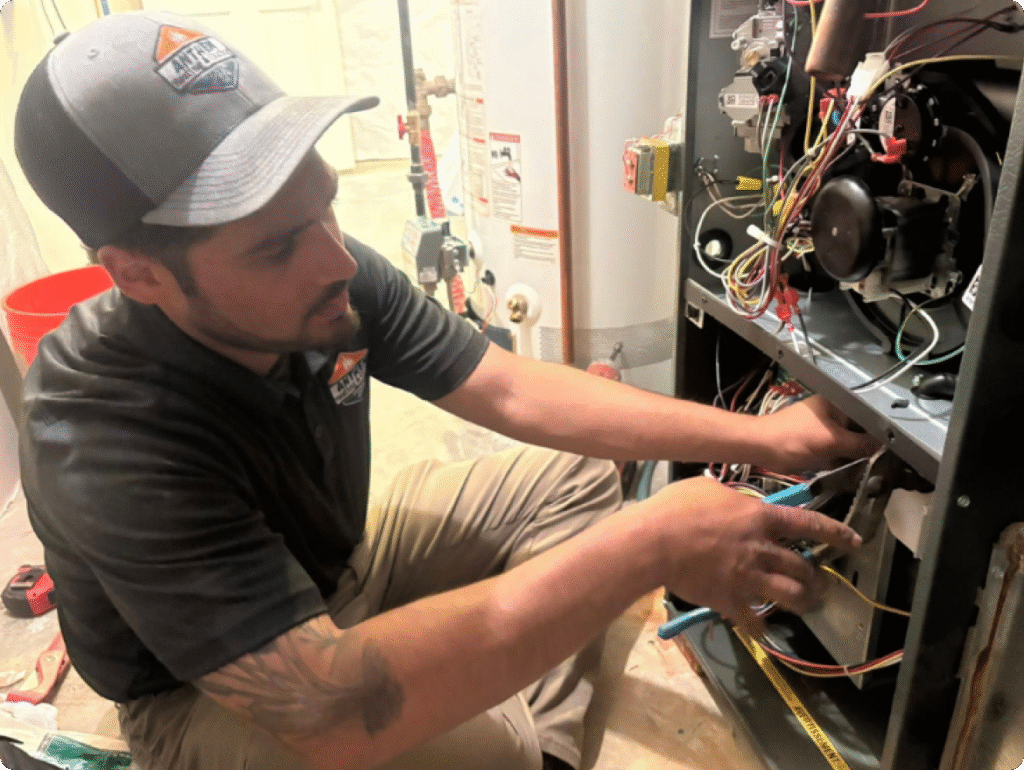
Anthem Heating & Cooling handles the full range of residential heating work across Central Iowa:
- Furnace repair and diagnostics
- Furnace replacement and new system installation
- Heat pump installation and service
- Ductless mini split systems for additions, finished basements, and rooms that never warm up
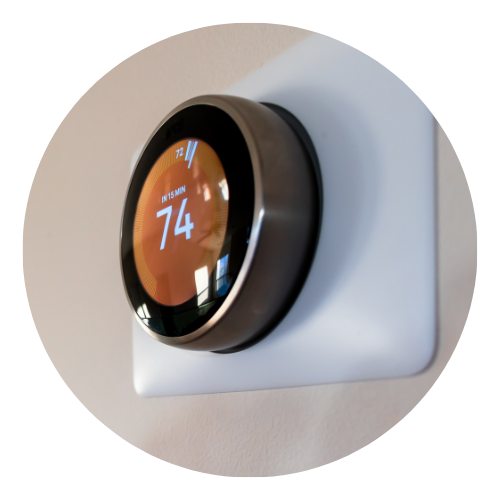
- Thermostat replacement, wiring, and setup
- Gas, venting, and heat exchanger safety inspections
- Seasonal tune-ups through the Comfort-Shield maintenance plan
Whether you’re dealing with a sudden breakdown, uneven temperatures, strange noises, or an aging system, our team works to identify the issue clearly and recommend the next right step.
Signs Your Furnace Needs Attention
Some of these are minor. Some of them are the last warning you’ll get.
- The furnace runs but the house never reaches the setting on the thermostat
- It short cycles, turning on and off every few minutes
- Rooms upstairs stay cold while the main floor is fine, or the temperature difference between floors keeps widening
- Your gas bill climbed without the weather explaining it
- Banging, scraping, or a rumble that lingers after the burners shut off
- The blower runs constantly and the air coming out feels cool
- A burning or metallic smell that doesn’t clear after the first burn of the season
- The furnace is past fifteen years old and repairs are starting to stack up
If you smell gas, leave the house first and call from outside. That one isn’t a service call, it’s an evacuation.
Furnace Acting Up? Start Here.
Four of the most common furnace complaints we get in Central Iowa, what usually causes them, and the checks you can safely make yourself before anyone comes out.
| What You Notice | Possible Cause | What You Can Check | When to Call Anthem |
|---|---|---|---|
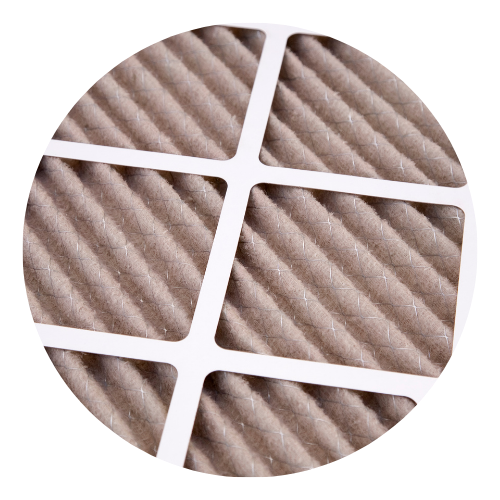
| Air is blowing, but it's cool | Thermostat fan set to ON instead of AUTO, so the blower runs between heating cycles. Or the burners are shutting down early on a safety limit. | Switch the fan from ON to AUTO and wait for a full cycle. Check the filter. A clogged filter starves airflow and trips the limit switch. | Still cool after a clean filter and a full cycle |
| Furnace turns on and off every few minutes | Overheating from restricted airflow, a dirty flame sensor, or a system that was oversized for the house when it went in. | Replace the filter and open any closed or blocked supply vents. Confirm the return vent isn't behind furniture. | Short cycling continues with clear airflow |
| No heat at all, no sound from the unit | Tripped breaker, the furnace service switch flipped off, dead thermostat batteries, or a blown low voltage fuse. | Check the breaker panel. Check the light-switch-looking service switch near the furnace. Put fresh batteries in the thermostat. | Power confirmed and it still won't fire |
| Rumble or boom on start-up | Delayed ignition. Gas is building for a moment before it lights, usually from a dirty burner or a weak igniter. | Note when it happens and how loud. Do not open the burner compartment yourself. | Any noticeable boom. Call before the next cold night |
Still not fixed? If the simple checks didn't do it, the next step is a technician who can safely test the burners, sensors, and heat exchanger.
Request ServiceRepair or replace, and how to tell which one you're facing
Age does most of the deciding. Under ten years, a furnace is usually worth fixing. Past fifteen, the math starts moving the other way, because a repair on an old system buys you time rather than reliability.
The other half of it is pattern. One repair in five years is normal ownership. Three service calls in two winters is your furnace telling you something, and putting another part into it tends to be the expensive way to learn that.
Anthem's technicians walk you through both options with the actual numbers for your system, so you're comparing a real repair against a real replacement instead of guessing. If you want to think it through first, our guide on the difference between HVAC repair and replacement covers how the decision usually goes, and how to tell if your furnace needs repair or full replacement works through the furnace side specifically.
How a Furnace Installation Goes
Step 1: Reach Out
Call or schedule online and tell us what’s going on.
Step 2: We Inspect the System
We evaluate the issue, explain what we’re seeing, and answer your questions clearly.
Step 3: Get a Recommendation
We walk you through the best next step for your home, system, and budget.
Step 4: Restore Your Comfort
Our team completes the repair, replacement, or service so your home feels right again.
Why Homeowners in Central Iowa Choose Anthem Heating & Cooling
Homeowners don’t just want HVAC service. They want to know they’re calling the right team.
Clear communication
We explain what’s happening in plain language
Honest recommendations
We help you make the right decision, not the most expensive one
Reliable workmanship
We focus on doing the job right so your comfort lasts
A better customer experience
We respect your time, your home, and your trust
What Actually Drives the Cost of a New Furnace
Equipment is only part of the price, and it’s usually not the part that varies most between two quotes on the same house.
- Sizing. A furnace matched to your home’s heat loss, not to whatever was there before. Plenty of Central Iowa homes are running a furnace that was oversized on the last replacement, which is why they’re short cycling.
- Efficiency rating. Higher efficiency costs more up front and less to run. How long you’re planning to stay in the house decides whether that trade makes sense.
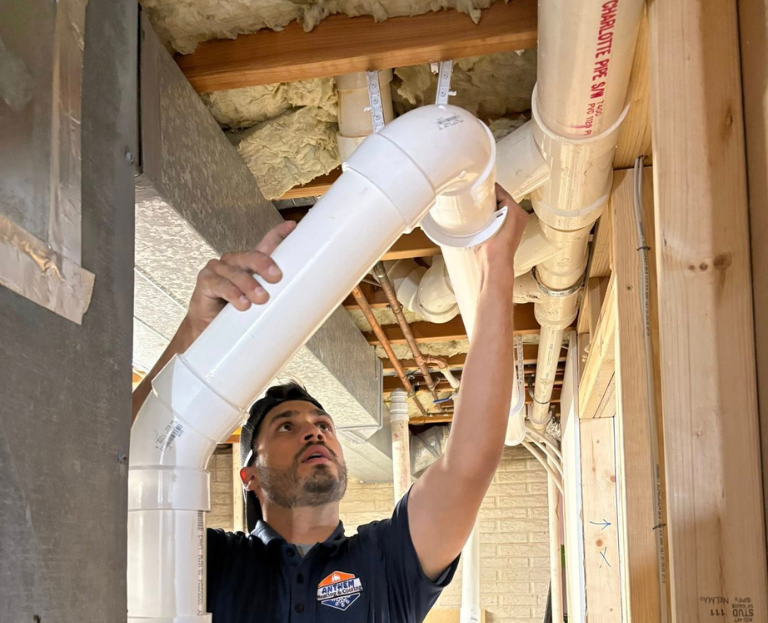
- Venting. Moving from a standard efficiency furnace to a high efficiency one changes how the unit vents, and that work is real.
- Ductwork condition. A new furnace pushing air through undersized or leaking ducts won’t perform the way it should on day one.
- Electrical and gas line work if the existing setup doesn’t meet what the new unit needs.
- Access. A furnace sitting in an open basement is a different job than one that’s wedged into a tight attic or a closet.
On a straight furnace changeout, most installs are finished in a day. Jobs that involve venting changes, a new gas line, or ductwork that has to be reworked can run longer, and we’ll tell you that before we start rather than at four in the afternoon.
Financing options may be available depending on the system and installation. We’ll tell you the number before any work starts.
Trusted by Homeowners in and Around Central Iowa
Serving Central Iowa Homeowners
Anthem Heating & Cooling provides heating installation and repair throughout Central Iowa, including Ankeny, Bondurant, Altoona, Des Moines, Grinnell, Pleasant Hill, Johnston, Polk City, and all across Central Iowa.
Housing stock changes a lot across that map. A 2019 build in Bondurant and a 1940s house in Des Moines don’t have the same heating problems, and the fix that’s right for one is often wrong for the other. View our service areas to see if your location is covered.
How long does a furnace last in Iowa?
Most furnaces run fifteen to twenty years. Iowa winters put more hours on a system than a milder climate does, so a furnace here tends to reach the decision point closer to the fifteen-year mark than the twenty.
How long does a furnace installation take?
A straight replacement is usually a one-day job. Installations that require new venting, gas line changes, or duct modifications can take longer, and we’ll tell you which one you have before we begin.
Should I repair or replace my furnace?
Under ten years old with a minor repair and a good service history, repair. Past fifteen with repairs stacking up and rising gas bills, replacement is usually the better long-term decision. Between the two, the specific repair cost against the age of the system decides it.
Can I install a new furnace in the middle of winter?
Yes. It happens constantly, because that’s when furnaces fail. The tradeoff is that emergency replacements leave less room to compare options, so if your system is already borderline, replacing it before the cold sets in gives you a better decision.
Do you service heat pumps and ductless systems?
Yes. We install and service heat pumps as well as ductless mini split systems, which are a common fix for additions, finished basements, and rooms your furnace has never reached properly.
What can I do to keep my furnace from failing?
Change the filter on schedule, keep the return vent clear, and get a tune-up before the heating season rather than after something goes wrong. Our guide on why furnace tune-ups matter more in Iowa explains what a tune-up actually catches.
Do you offer financing?
Yes, financing options may be available depending on the service and system.
Need Heating Service Before the Cold Sets In?
If your furnace struggled last winter, or you’re already weighing a replacement, the easiest time to deal with it is now. We’ll look at what you’ve got, explain what we find, and give you a straight recommendation either way.